Exploring the Latest Breakthroughs in Green Technology
Introduction to Green Technology
Green technology, often referred to as clean technology or eco-technology, encompasses a range of innovative techniques, products, and processes aimed at promoting sustainability and reducing environmental impact. As the world faces the growing challenges of climate change, rising energy consumption, and resource depletion, the significance of green technology has come to the forefront. This multifaceted field strives to create solutions that not only fulfill the current needs of society but also preserve the planet for future generations.
At the core of green technology lies the objective of sustainability, which emphasizes the importance of meeting present-day requirements without compromising the capacity of future generations to meet their own needs. This involves a shift towards energy-efficient practices, reliance on renewable resources, and the development of products that minimize waste. By embracing sustainable principles, green technology seeks to mitigate the negative effects of traditional practices that contribute to pollution and environmental degradation.
Resource conservation is another fundamental aspect of green technology. This principle encourages the responsible management of natural resources, aiming to reduce consumption and promote recycling and reuse. By employing advanced materials and discovering innovative methods of production, green technology minimizes the likelihood of depletion and ensures that valuable resources are available for generations to come.
Reducing overall environmental impact is a critical goal of green technology innovations. By developing cleaner energy sources, such as solar, wind, and bioenergy, and by introducing energy-efficient systems, the reliance on fossil fuels can diminish, leading to a significant decrease in greenhouse gas emissions. Through these initiatives, green technology not only addresses immediate ecological concerns but also contributes toward the long-term resilience of ecosystems and communities.
Recent Innovations in Renewable Energy
Renewable energy has witnessed remarkable advancements, showcasing the potential for sustainable development through innovative technologies. Solar energy continues to lead the charge, with recent breakthroughs in photovoltaic (PV) technology. Transparent solar cells, for instance, can transform windows into energy-generating surfaces, effectively integrating solar solutions into urban environments. Furthermore, bifacial solar panels, which capture sunlight from both sides, enhance overall energy production efficiency, making solar installations more viable in diverse settings.
Wind energy has also seen significant improvements with the introduction of larger, more efficient turbines. Innovations in blade design have led to a greater capture of wind at lower speeds, expanding the geographical areas where wind farms can be established. Advancements in offshore wind technology are noteworthy as well, with floating wind turbines enabling harnessing of high winds far from shore, thereby increasing energy output while minimizing land use. These developments contribute to the declining costs of wind energy, solidifying its role in the renewable energy landscape.
Hydroelectric power remains a reliable and widely adopted energy source, undergoing enhancements through small-scale hydro projects. These initiatives reduce the environmental impact often associated with traditional dam systems. Moreover, technologies such as pumped storage systems have been innovated to improve energy storage capabilities. By using excess energy to pump water to higher elevations, these systems allow for energy release during peak demand, creating a balance between generation and consumption.
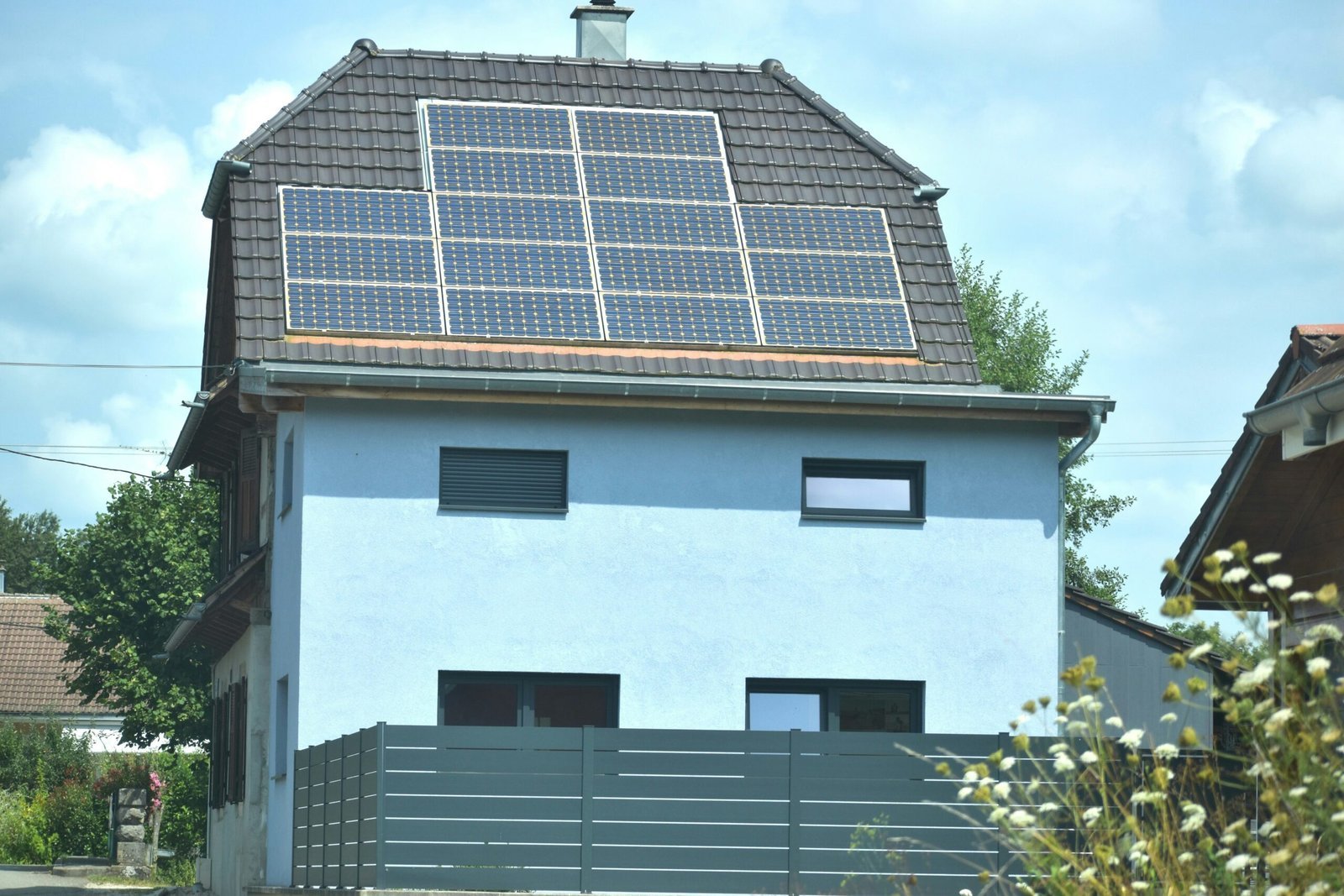
Numerous case studies highlight the positive impact of these innovations on energy consumption and environmental preservation. For instance, the integration of residential solar panels has demonstrated both financial savings and a reduction in carbon footprints. Similarly, wind farms have shown potential to displace significant amounts of fossil fuel energy. These advancements in renewable energy sources affirm the importance of continued investment and research in green technology, paving the way for a sustainable future.
Breakthroughs in Energy Efficiency and Conservation
Recent advancements in energy efficiency and conservation have emerged as pivotal developments in the battle against climate change. Notably, smart grids are revolutionizing the way energy is distributed and consumed. By leveraging real-time data and communication technologies, smart grids facilitate a more efficient interaction between energy providers and consumers. They enable the integration of renewable energy sources and optimize the overall energy flow, significantly reducing losses during transmission and distribution.
In parallel, the emergence of energy-efficient appliances has also gained momentum. These appliances are designed to reduce energy consumption without compromising performance. Innovations such as advanced refrigeration technologies and smart thermostats allow households and businesses to utilize energy in a more judicious manner. These devices often come with energy ratings that inform consumers of their efficiency levels, motivating more environmentally conscious purchasing decisions.
Building technologies are yet another avenue where energy efficiency is making strides. Green building practices, driven by new materials and design principles, are designed to minimize energy wastage. Examples include the use of enhanced insulation, energy-efficient HVAC systems, and sustainable building materials that contribute to reduced energy needs for heating and cooling. Moreover, the integration of energy management systems empowers facility managers to monitor and control energy usage effectively.
The Internet of Things (IoT) plays a significant role in fostering energy conservation. IoT-enabled devices can provide detailed insights into energy consumption patterns and suggest adjustments to optimize usage. For instance, smart meters allow users to track their energy consumption in real-time, identifying opportunities for savings. These advancements collectively highlight a commitment to developing innovative solutions that promise significant reductions in overall energy consumption.
The Future of Green Technology: Challenges and Opportunities
The future of green technology offers a complex landscape of both challenges and opportunities that will shape its evolution. One significant challenge lies in the economic barriers that companies face when transitioning to sustainable practices. Implementing green technologies often requires substantial upfront investment, which can deter businesses from pursuing such initiatives. Additionally, fluctuating market dynamics can create uncertainty about the return on investment for green technology solutions. Regulatory challenges further complicate matters, as inconsistent policies can hinder progress and adoption across different regions.
Technological barriers also play a crucial role in the future of green technology. Despite remarkable advancements, some technologies, such as energy storage and renewable energy grid integration, still require further development to achieve widespread applicability. Transitioning existing infrastructures to become more eco-friendly often involves intricate technical challenges that must be navigated carefully. This complexity can slow the rate at which innovative green solutions are developed and adopted, thereby limiting the overall impact.
Despite these challenges, the landscape of green technology is ripe with opportunities. Investment in green technology has been steadily increasing, indicating a growing recognition of its potential for sustainable development. Emerging trends such as artificial intelligence and machine learning are opening new frontiers for innovation within the green sector, enabling more efficient energy management and waste reduction. Collaboration between governments, businesses, and individuals is essential for maximizing these opportunities, as collective efforts can lead to the establishment of more robust policies and innovation ecosystems that empower sustainable development.
In conclusion, the future of green technology encompasses a spectrum of challenges that need to be addressed while simultaneously leveraging the abundant opportunities for growth and innovation. By fostering collaboration among key stakeholders, it is possible to drive the transition towards a sustainable future, ultimately benefiting both the economy and the environment.