Creative Ideas for Small Town Community Projects
Introduction to Community Projects
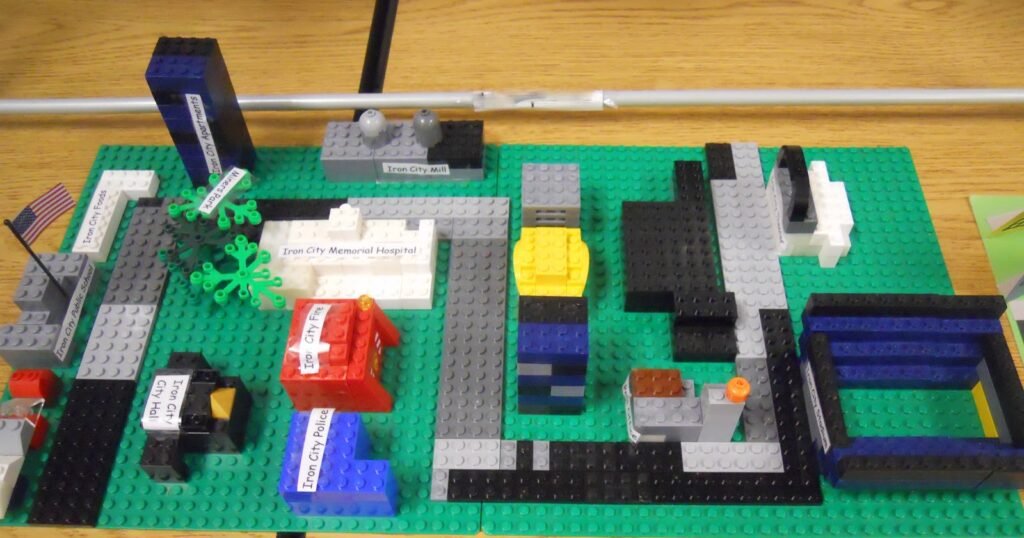
Community projects play a vital role in the development and rejuvenation of small towns. These initiatives not only serve to address local needs but also encourage social interaction and collaboration among residents. Engaging in community projects allows individuals to come together, fostering a sense of belonging and community spirit that can significantly enhance the quality of life in small towns. It creates a platform where residents can share ideas, skills, and resources, ultimately contributing to the betterment of their environment.
By actively participating in community projects, residents can recognize and address specific challenges their town faces, from environmental concerns to social issues. These projects often attract volunteers who are willing to lend their time and expertise, creating a culture of volunteerism that can sustain and benefit the community over the long term. As residents collaborate on various initiatives, they become invested in their town’s success, leading to stronger relationships and a more cohesive social fabric.
The importance of creativity in community projects cannot be overstated. Innovative ideas pave the way for unique solutions that resonate with the local culture and needs. When individuals harness their creativity and work collectively, they not only develop effective strategies for local concerns, but they also promote a sense of pride in their community’s identity. This collaboration reinforces the understanding that positive change is achievable when members unite with a shared vision.
In conclusion, community projects in small towns serve as catalysts for social unity, volunteer engagement, and problem-solving. They embody the essence of collaboration and innovation, driving progress and enhancing the overall living experience for residents. By exploring creative ideas for community initiatives, small towns can continue to thrive and evolve.
Engaging Local Residents: How to Involve the Community
Successfully engaging local residents in community projects is essential for fostering a sense of ownership and ensuring that initiatives meet the actual needs of the population. One effective method for gathering input is through surveys. These can be distributed in various formats, including online platforms or paper forms at community centers. Surveys allow residents to express their views, identify pressing concerns, and suggest ideas for projects that would benefit their neighborhoods. By collecting quantitative and qualitative data, project organizers can better understand the community’s priorities.
Another common strategy is hosting town hall meetings. These gatherings serve as an open forum where residents can voice their opinions and discuss proposed initiatives with local leaders. Town hall meetings not only provide a platform for feedback but also foster a sense of community engagement by bringing people together in a collaborative setting. It is important for facilitators to create an inclusive environment that welcomes diverse perspectives, ensuring that all voices are heard regardless of age, background, or socioeconomic status.
Furthermore, successful community engagement initiatives often highlight the importance of local voices. For instance, projects like community gardens or art installations have been driven by input from residents who wish to enhance the visual and social fabric of their neighborhoods. Examples from various small towns illustrate that when individuals feel their opinions contribute to shaping projects, they are more likely to participate actively in their execution. This can lead to higher participation rates and sustained support throughout the project’s lifecycle.
Incorporating residents’ input and fostering inclusivity not only enhances the viability of community projects but also strengthens the social ties among residents. As such, engaging local voices is not just a step in the development process but a crucial strategy for cultivating a vibrant community spirit.
Innovative Project Ideas for Small Towns
Small towns often possess unique characteristics that lend themselves well to innovative projects aimed at community enhancement. One noteworthy initiative is the establishment of community gardens. These gardens foster social interaction, promote local food production, and encourage environmental sustainability. By transforming vacant lots or underutilized spaces into productive gardens, towns can create green havens that not only beautify the area but also provide fresh produce to residents.
Another creative idea is the launch of local art initiatives, which can elevate the community’s cultural profile. These initiatives may include mural projects, art installations in public spaces, or collaborative workshops led by local artists. Such projects could foster a sense of pride and identity among residents, while also encouraging community members, especially youth, to explore their artistic talents.
Organizing local festivals is yet another effective way to bring a community together. These events could celebrate the town’s heritage, seasonal changes, or even peculiar themes unique to local culture. Festivals can feature local artisans, food vendors, and family-friendly activities, creating opportunities for economic growth while promoting community engagement. Moreover, local festivals have the potential to attract visitors, generating additional revenue streams for local businesses.
A recycling program is also essential for any small town aspiring to enhance sustainability. Implementing educational workshops on recycling and waste management can promote environmental awareness. Communities can establish recycling stations and provide residents with the necessary knowledge and tools to participate actively in reducing waste. This not only boosts community involvement but also contributes to a cleaner, healthier environment.
By fostering creativity and collaboration, small towns can turn these innovative project ideas into reality, ultimately improving the quality of life for residents while inspiring them to think outside the box.
Sustaining and Growing Community Projects
Once community projects have been established in small towns, the focus shifts to sustaining and growing these initiatives to ensure they serve their intended purpose over time. The first critical aspect is securing ongoing funding, which can be achieved through various channels. Local governments may provide grants, while nonprofit organizations often have initiatives aimed at supporting community-driven projects. In addition, crowdfunding platforms can mobilize residents and other stakeholders to collectively contribute financially, fostering a sense of ownership and commitment.
Forming partnerships with local businesses is another effective strategy for sustaining community projects. By collaborating with businesses, project leaders can leverage resources such as funding, supplies, and volunteer labor. Businesses benefit from positive public relations and enhanced community engagement, making these partnerships mutually advantageous. Furthermore, restaurants and shops can host fundraising events or promotional days where a percentage of sales goes towards the community project, providing a seamless way to gather ongoing support.
Recruiting and retaining volunteers is essential for the longevity of community projects. Grassroots efforts can attract volunteers through local advertising, social media campaigns, or informational sessions. Highlighting the impact of their involvement, as well as offering training and networking opportunities, can enhance volunteer satisfaction and retention. Ensuring that volunteers are recognized for their contributions fosters a devoted community spirit, which is invaluable for project sustainability.
Continual evaluation and adaptation are paramount for ensuring that community projects remain relevant and effective. Regularly soliciting feedback from community members can illuminate areas for improvement and help identify evolving needs. Utilizing surveys or community meetings to gauge opinions will facilitate necessary adjustments. These strategies ensure that community projects not only thrive in the short term but are also positioned for long-term success, ultimately enriching the community as a whole.