Embracing the Future: Cloud Hosting with Multi-Region Deployment
Understanding Cloud Hosting and Its Benefits
Cloud hosting refers to a hosting service that utilizes a network of remote servers hosted on the internet to store, manage, and process data, rather than relying solely on a single physical server. This approach empowers businesses and organizations to scale their operations effectively, as resources can be adjusted on-demand to meet changing needs. With the advent of cloud technology, the traditional methods of hosting, which typically involved dedicated servers, have become less favored due to their limitations in flexibility and scalability.
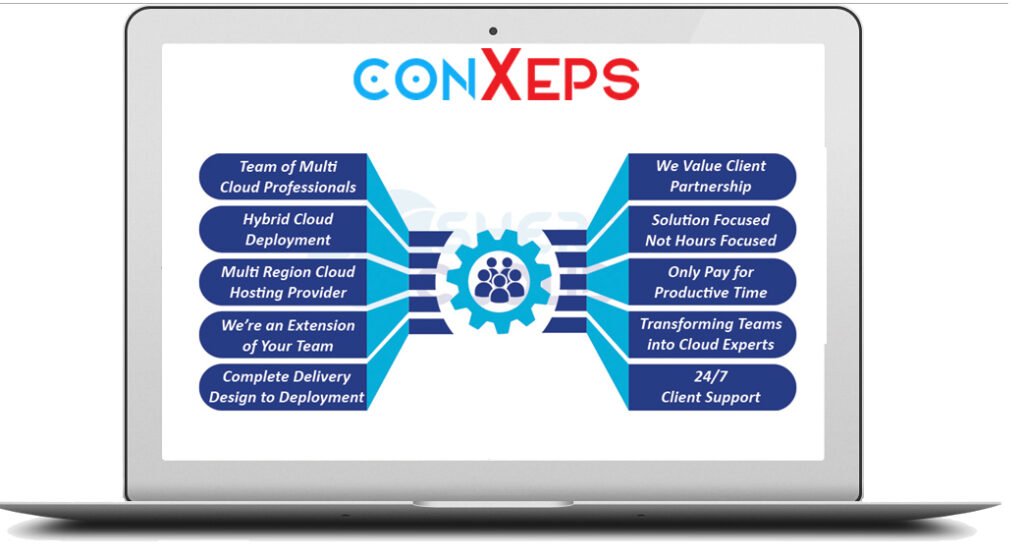
One of the primary advantages of cloud hosting is its scalability. Businesses can easily increase or decrease their resources, such as server space and processing power, without significant delays or infrastructure changes. This elasticity enables organizations to adapt swiftly to traffic fluctuations, ensuring optimal performance during peak times while controlling costs during quieter periods. Additionally, cloud hosting is often more cost-effective than traditional hosting solutions, as it follows a pay-as-you-go model, allowing businesses to pay only for the resources they consume.
Beyond cost savings and scalability, cloud hosting significantly enhances performance and reliability. Data is stored across multiple servers, which not only improves loading times but also provides redundancy. In the event of a server failure, other servers can seamlessly take over, reducing downtime and maintaining service availability. Furthermore, cloud hosting typically provides robust security measures, such as encryption and firewall protections, leveraging the expertise of cloud service providers to safeguard data against cyber threats.
In contrast to traditional hosting, which may constrain a business’s growth due to fixed resources and geographical limitations, cloud hosting fosters innovation and agility. As organizations increasingly harness the power of technology, cloud hosting emerges as a pivotal solution for achieving digital transformation and operational efficiency.
What is Multi-Region Deployment?
Multi-region deployment is a cloud computing strategy that involves distributing applications and services across several geographic locations. This approach is pivotal in enhancing redundancy and improving performance, thus playing a critical role in modern cloud infrastructure. When applications are hosted in multiple regions, the likelihood of achieving high availability increases, minimizing the risk of downtime caused by localized failures.
The importance of multi-region deployment lies in its ability to address latency issues which can significantly hamper user experience. By strategically placing resources closer to end-users, organizations can reduce the time it takes for data to travel between the server and the client. This proximity not only optimizes response times but also elevates user satisfaction, which is crucial in today’s competitive digital landscape. For instance, a company with a global clientele can deploy applications in various regions to ensure that users in different parts of the world access services with minimal delay.
Moreover, incorporating multi-region strategies reinforces failover capabilities. In the event of a region becoming unavailable due to natural disasters, technical malfunctions, or other unforeseen circumstances, services can seamlessly shift to another active region. This automated failover process guarantees continuous service availability, making it a vital feature for businesses that require uninterrupted operations. Adopting a multi-region deployment model can indeed transform a company’s resilience against disruptions, thereby enhancing operational stability and reliability.
In summary, multi-region deployment is an essential framework within cloud computing that enhances application performance, reduces latency, and improves overall user experience while ensuring that services remain operational during unforeseen outages.
Advantages of Multi-Region Deployment in Cloud Hosting
Multi-region deployment in cloud hosting presents numerous advantages that significantly enhance performance, reliability, and user satisfaction. One of the most notable benefits is the enhanced disaster recovery capabilities it offers. By distributing applications and data across multiple geographical regions, organizations can ensure that their systems remain operational even in the event of a regional outage. For instance, a company that operates its cloud infrastructure in North America and Europe can continue to serve its customers in Europe if data centers in North America experience technical issues. This geographical diversity reduces the risk of total service disruption, ensuring continuity and reliability.
Furthermore, multi-region deployment allows for improved load balancing across various server locations. By routing user requests to the nearest region, organizations can minimize the server load and optimize response times. This functionality is particularly crucial for businesses that experience high traffic volumes, as it leads to enhanced performance and a better overall user experience. A prominent example is an e-commerce platform that successfully scaled its operations by leveraging multiple regions, resulting in quicker page loads and increased conversion rates during peak shopping seasons.
Another significant advantage is the reduction of latency for global users. When applications and data are stored in multiple geographical locations, users can access resources from a server that is physically closer to them. A financial services company that operated in several countries observed a measurable decrease in transaction completion times after adopting a multi-region deployment strategy. This not only improved customer satisfaction but also enhanced operational efficiencies, leading to a competitive edge in a fast-paced market.
Overall, organizations that embrace multi-region deployment within their cloud hosting strategies can enjoy benefits that translate into measurable improvements in performance, reliability, and user perception, showcasing the strategic importance of this approach in today’s digital landscape.
Implementing Multi-Region Deployment: Best Practices
Implementing a multi-region deployment strategy within cloud hosting requires careful planning and consideration of several key aspects to ensure its effectiveness. One of the foremost steps is selecting the right cloud provider that not only meets your technical requirements but also supports robust multi-region capabilities. It is essential to assess factors such as availability zones, network latency, and geographic proximity of data centers. Ensuring that your provider has a strong track record in data security and compliance with regional regulations is equally vital.
Another crucial consideration is the planning for data replication and consistency across multiple regions. Implementing automated data replication mechanisms can help maintain synchronization and availability, driving an enhanced user experience. It’s important to choose the appropriate replication strategy—such as synchronous versus asynchronous replication—based on the specific needs of your application. Synchronous replication, while more consistent, often introduces latency, thus impacting performance. On the other hand, asynchronous replication provides greater performance but may introduce eventual consistency challenges.
Compliance with regional regulations is non-negotiable for a successful multi-region deployment. Different regions have various data protection laws, such as GDPR in Europe or CCPA in California, and being compliant minimizes the risk of legal repercussions. Organizations should carry out a thorough analysis to ensure that data storage and processing practices conform to local regulations.
Additionally, maintaining oversight of your multi-region deployment involves establishing robust monitoring solutions that allow you to track performance, security incidents, and overall health across deployments. Cost management tools should also be employed to track expenditures and optimize resource utilization. This aids in troubleshooting issues efficiently and effectively, thus ensuring smoother operations across regions. These best practices will enable you to harness the full potential of multi-region deployment in a cloud hosting environment.