Exploring Hosting Platforms Supporting Web3 Technologies
Introduction to Web3 Technologies
Web3 technologies represent a transformative shift in the way digital applications are developed and operated. Unlike traditional web applications that rely heavily on centralized servers and infrastructures, Web3 leverages decentralized networks, primarily powered by blockchain technology. This decentralization is one of the fundamental principles of Web3, enabling transparency, security, and user empowerment while significantly reducing the risk of data breaches and third-party interference.
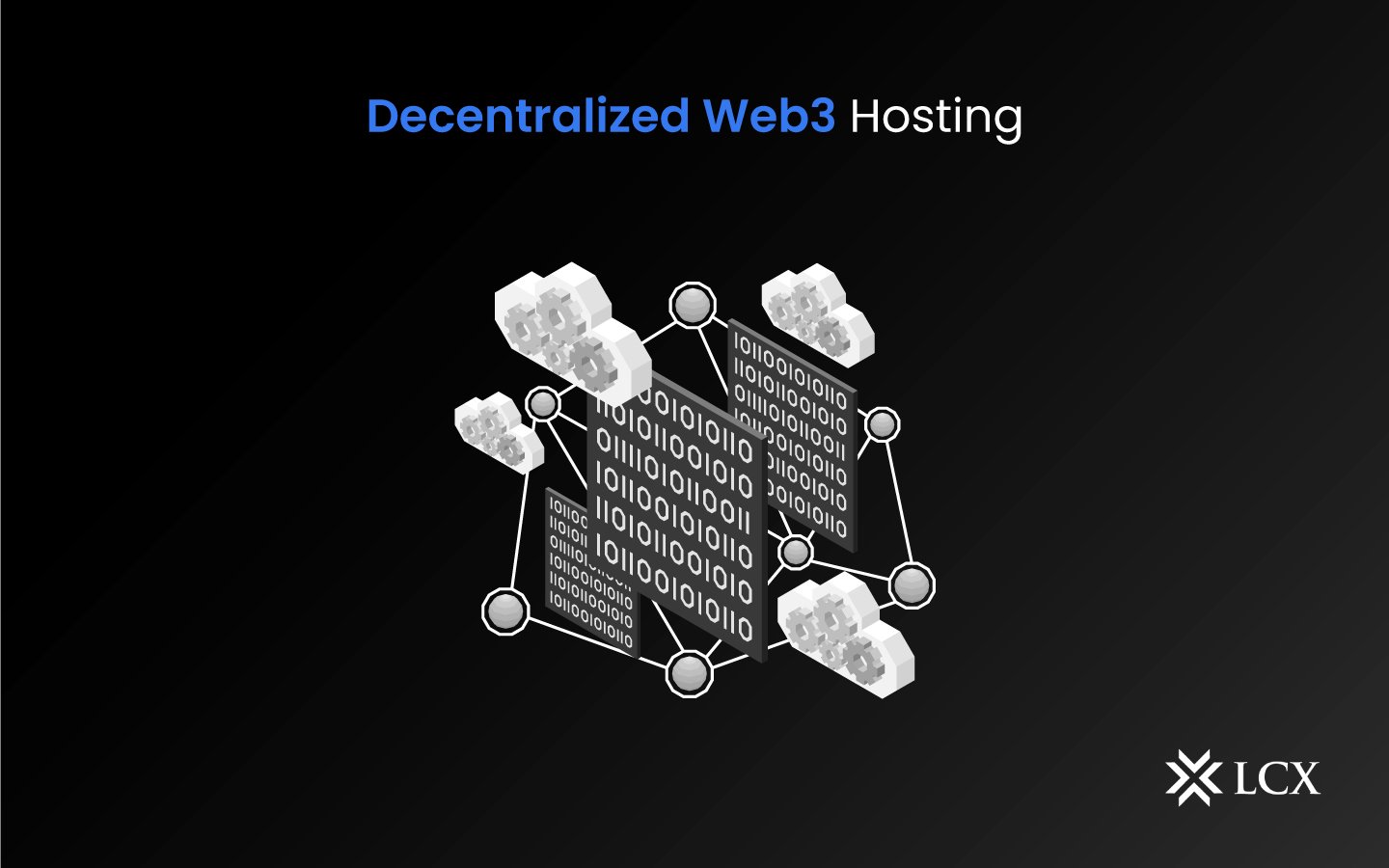
The architecture of Web3 is designed to return control to users, allowing them to own and manage their digital assets and interactions. Users engage directly with applications through smart contracts, which are self-executing agreements coded on the blockchain. This innovation eliminates the need for intermediaries, thus fostering trust and efficiency in transactions. Furthermore, the immutable nature of blockchain enhances security, ensuring that once data is recorded, it cannot be altered without consensus from the network.
At the heart of Web3 technologies is the idea of a user-centric internet. This vision promotes democratization of data and incentivizes user participation in network governance. Users can contribute to decision-making processes and are rewarded for their contributions, aligning the interests of both developers and users. Cryptocurrencies and tokens are often used within this ecosystem, facilitating economic exchanges and encouraging a more inclusive digital economy.
As we venture further into this new paradigm, it becomes increasingly critical to understand the various hosting platforms that can support Web3 innovations. These platforms play a pivotal role in enabling developers to create, deploy, and manage decentralized applications (dApps), ensuring a seamless transition from traditional web technologies to a more robust and user-oriented internet experience.
Key Features of Web3-Compatible Hosting Platforms
Web3-compatible hosting platforms have emerged to cater specifically to the requirements of decentralized technologies, enabling a new wave of internet applications. A primary feature of these platforms is their robust support for decentralized applications (dApps). This capability allows developers to build and deploy applications that operate on peer-to-peer networks, facilitating greater trust and transparency between users.
Additionally, the integration with various blockchain protocols is essential. Hosting platforms that support popular protocols such as Ethereum, Solana, and others empower developers to create applications that utilize smart contracts and decentralized finance (DeFi) features. This not only enhances functionality but also ensures that applications can operate seamlessly with existing blockchain ecosystems.
Enhanced security measures are another critical aspect of these hosting solutions. Web3 technologies prioritize user privacy and data protection, which is vital in an environment increasingly prone to cyber threats. Features such as end-to-end encryption, decentralized storage solutions, and protection against Distributed Denial of Service (DDoS) attacks contribute to a more secure hosting environment, safeguarding both developers and end users.
Scalability is equally important, as Web3 applications may experience sudden spikes in traffic. Hosting platforms need to provide flexible scaling options that can accommodate high demand without degrading performance. These platforms often utilize containerization and microservices architecture, enabling efficient resource allocation and faster deployment of services.
Furthermore, user control and data ownership are cornerstones of the Web3 ethos. Hosting solutions designed for Web3 prioritize empowering users to retain control over their data, minimizing reliance on centralized servers. By fostering an environment that promotes decentralized data management, these platforms create a more equitable digital landscape.
Top Hosting Platforms for Web3 Projects
As Web3 technologies continue to gain traction, various hosting platforms emerge to cater specifically to the needs of decentralized applications (dApps) and blockchain projects. Here, we explore some of the leading hosting platforms, assessing their features, performance, pricing, and user feedback to provide a comprehensive overview.
One prominent platform is the InterPlanetary File System (IPFS). IPFS is designed to store and share data on a peer-to-peer network, ensuring high availability and redundancy. It allows users to access files using a content-based identifier rather than a location-based URL, promoting a decentralized approach to data storage. With its ability to facilitate efficient distribution of large datasets and immutable content addressing, IPFS is an essential tool for developers creating decentralized applications.
Filecoin takes the concept of IPFS a step further by enabling users to rent out their unused storage space in a decentralized manner. Users can store data securely and retrieve it while incentivizing storage providers through its native cryptocurrency. This dual-layer architecture promotes extensive scalability and decentralized resource allocation, making Filecoin a suitable choice for storing critical information related to blockchain applications.
Fleek is another hosting platform tailored for Web3 projects, providing smooth deployment of dApps and static websites. With integration capabilities for IPFS and Filecoin, Fleek simplifies the hosting process by automating the deployment of decentralized projects. The platform offers developers tools for continuous integration and delivery, along with user-friendly interfaces that ensure an efficient workflow. Additionally, Fleek’s emphasis on performance allows dApps to scale effectively, addressing the needs of modern applications.
These hosting platforms define the landscape for supporting Web3 technologies, each offering unique solutions that enhance the capabilities of developers. Understanding their features and capabilities can provide valuable insights for those embarking on the journey of deploying decentralized applications.
Future Trends in Web3 Hosting Solutions
The landscape of web hosting is undergoing a transformation as Web3 technologies gain traction. A significant trend in this domain is the increased adoption of decentralized hosting solutions. Unlike traditional hosting, which relies on centralized servers, decentralized hosting utilizes distributed networks, ensuring greater resiliency and security. As more organizations and developers recognize the benefits of decentralized structures, we could see a shift towards hosting platforms that prioritize peer-to-peer interactions, thereby empowering users and enhancing data sovereignty.
Additionally, regulatory changes are likely to impact the hosting solutions landscape. Governments worldwide are beginning to establish frameworks governing digital assets and decentralized systems. This transition may encourage traditional hosting companies to adapt their services to accommodate compliance demands while still embracing the decentralization ethos of Web3. For existing providers, the incorporation of blockchain technology into their offerings may become crucial in maintaining competitive advantages and ensuring trust among users.
As the demand for hosting solutions tailored to Web3 innovations continues to grow, one can also anticipate significant enhancements to user experiences. Hosting platforms are likely to evolve to include user-friendly interfaces, advanced security protocols, and scalable resources tailored to the specific needs of decentralized applications. This trajectory aims to democratize access to technology, enabling an even wider audience to engage with Web3 initiatives.
In a broader context, the rise of Web3 hosting platforms may have profound implications for the internet landscape. These solutions could challenge the status quo established by major internet service providers, encouraging a more equitable distribution of power and resources. As hosting becomes more decentralized, individuals may gain greater control over their online presence, fundamentally altering the dynamics of the digital realm.