How 5G Impacts Hosting for IoT Networks
Understanding 5G Technology
5G technology, the fifth generation of mobile networks, represents a significant advancement over its predecessors, such as 4G. One of the defining features of 5G is its substantially increased bandwidth, which allows for higher data transmission rates. This enhancement means that users can download and upload data at speeds that surpass those available in earlier generations, thus facilitating rejuvenated experiences in various applications, including streaming, gaming, and, notably, the Internet of Things (IoT).
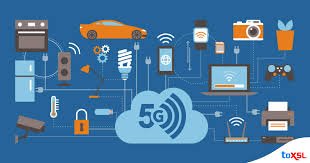
Another key advantage of 5G is its remarkably low latency, which refers to the time taken for data to travel from one point to another. With latency reduced to as low as one millisecond, 5G enables near-instantaneous communication between devices. This feature is particularly beneficial for IoT applications where real-time data exchange is critical, such as autonomous vehicles and remote surgeries, where a delay could have serious implications.
5G technology also boasts the capability to support an immense number of connected devices simultaneously. As the world becomes increasingly driven by IoT, which involves thousands of devices communicating and sharing data, the ability of 5G to accommodate millions of connections per square kilometer ensures that this network can handle the demand of future applications. In contrast, previous mobile networks struggled with congestion when numerous devices attempted to connect at once.
The evolution from 4G to 5G encompasses broader implications than just user experience; it marks a pivotal moment in mobile networking that is set to transform industries. With its increased bandwidth, lower latency, and expanded device capacity, 5G technology stands as a cornerstone for the extensive deployment of IoT networks, elevating their performance and capabilities to newfound heights. As we explore its significance for IoT hosting further, understanding these foundational aspects of 5G is essential.
The Role of 5G in Enhancing IoT Connectivity
The advent of 5G technology presents a paradigm shift in the way devices communicate within the Internet of Things (IoT) ecosystem. One of the most significant enhancements provided by 5G is the increase in bandwidth, which allows a higher volume of data to be transmitted simultaneously. This is particularly crucial for IoT networks that consist of numerous devices generating substantial amounts of data in real time. With 5G, IoT devices can seamlessly exchange data, enabling applications that rely on heavy data usage, such as real-time analytics and advanced machine learning algorithms.
Moreover, the reduced latency associated with 5G technology is a game-changer for IoT applications. 5G networks can achieve latency as low as 1 millisecond, significantly improving responsiveness for time-sensitive applications. This low-latency characteristic is essential in sectors like healthcare, where remote monitoring of patients through IoT devices requires instant data relay to ensure timely interventions. For instance, in telemedicine, the rapid exchange of patient health metrics can lead to quicker diagnoses, ultimately enhancing patient care.
In the context of smart cities, 5G connectivity facilitates the integration of various IoT systems, such as traffic management, energy consumption monitoring, and public safety systems. Enhanced connectivity allows for better synchronization of infrastructure, leading to efficient resource management and improved quality of urban life. Additionally, in industrial automation, 5G supports the deployment of smart manufacturing solutions, where machines and robots communicate in real time, thereby optimizing production processes and reducing operational costs.
The transformative potential of 5G for IoT cannot be overstated. By significantly enhancing connectivity, improving data transmission speeds, and enabling new use cases, 5G technology paves the way for innovative applications that were previously constrained by existing network capabilities.
Hosting Solutions for IoT in a 5G World
The advent of 5G technology is transforming the landscape of hosting solutions for Internet of Things (IoT) networks. As IoT devices proliferate, they generate enormous volumes of data that require advanced data management strategies. With the enhanced speed and reduced latency provided by 5G, new hosting solutions are emerging, including edge computing, cloud hosting, and hybrid solutions, each playing a crucial role in maximizing the effectiveness of IoT networks.
Edge computing is particularly significant in a 5G environment. By processing data closer to where it is generated, edge computing reduces the amount of data that must travel to centralized servers, thereby lowering latency. This is essential for real-time applications, such as autonomous vehicles and smart factories, where immediate data processing is critical. Additionally, edge computing improves bandwidth efficiency and allows for better resource allocation, which is indispensable in managing the extensive data from numerous IoT devices.
Cloud hosting remains a valuable option as well. It offers scalable resources that can accommodate the variable data traffic generated by IoT applications. With 5G, cloud services can now operate more effectively, providing robust platforms for data analysis and storage that seamlessly integrate with IoT ecosystems. The cloud’s inherent scalability is particularly beneficial, allowing organizations to expand their hosting capabilities in alignment with their evolving IoT demands without significant infrastructural investments.
Moreover, hybrid solutions that combine edge and cloud hosting are gaining traction. Such a model leverages the strengths of both hosting paradigms, allowing businesses to strike a balance between local data processing and centralized data analysis. This flexible approach is vital for enterprises looking to optimize performance while minimizing costs. Overall, the integration of 5G technology into hosting solutions offers improved scalability, reliability, and cost-effectiveness, significantly enhancing the management and utilization of IoT networks.
Challenges and Considerations for Implementing 5G in IoT Hosting
The implementation of 5G technology in Internet of Things (IoT) hosting presents several challenges that must be thoughtfully addressed to maximize its benefits. One prominent hurdle is the infrastructure requirements needed to support the rapid data transmission and low latency that 5G promises. Deploying 5G networks necessitates the installation of additional cell towers and small cells to ensure adequate coverage, particularly in densely populated urban areas. This can be a significant investment for enterprises aiming to integrate 5G into their IoT ecosystems.
Furthermore, security concerns associated with 5G and IoT hosting cannot be overlooked. With the proliferation of connected devices, the attack surface expands, making networks susceptible to cyber threats. The decentralized nature of IoT networks raises questions about data privacy and the potential for unauthorized access. Organizations must therefore implement robust security protocols, including advanced encryption and continuous monitoring, to safeguard sensitive information transmitted over 5G networks.
Regulatory issues also pose challenges when integrating 5G into IoT hosting. Various countries may have different regulations governing the deployment of 5G technology, which could affect a company’s ability to operate across borders. Compliance with these regulations requires organizations to remain agile in their strategies, ensuring they navigate the complex landscape of telecommunications laws. It is essential for businesses considering 5G integration to stay informed about regulatory developments and seek legal counsel to avoid potential pitfalls.
To mitigate these challenges, organizations should develop comprehensive strategies that encompass infrastructure planning, security enhancements, and regulatory compliance. Engaging with technology partners who specialize in 5G solutions can also facilitate a smoother transition and provide access to the latest innovations. By proactively addressing these considerations, companies can successfully harness the transformative potential of 5G technology in their IoT hosting environments.