The Best Cloud Hosting Solutions for Edge Computing
Understanding Edge Computing
Edge computing is a transformative technology paradigm that brings computation and data storage closer to the location where it is needed. This approach contrasts with traditional cloud computing, which typically involves processing and storing data in centralized data centers. By doing so, edge computing addresses the urgent need for real-time data processing and significantly reduces latency, making it particularly vital for applications that depend on immediate access to information. This capability is increasingly crucial in an era where speed and efficiency are paramount.
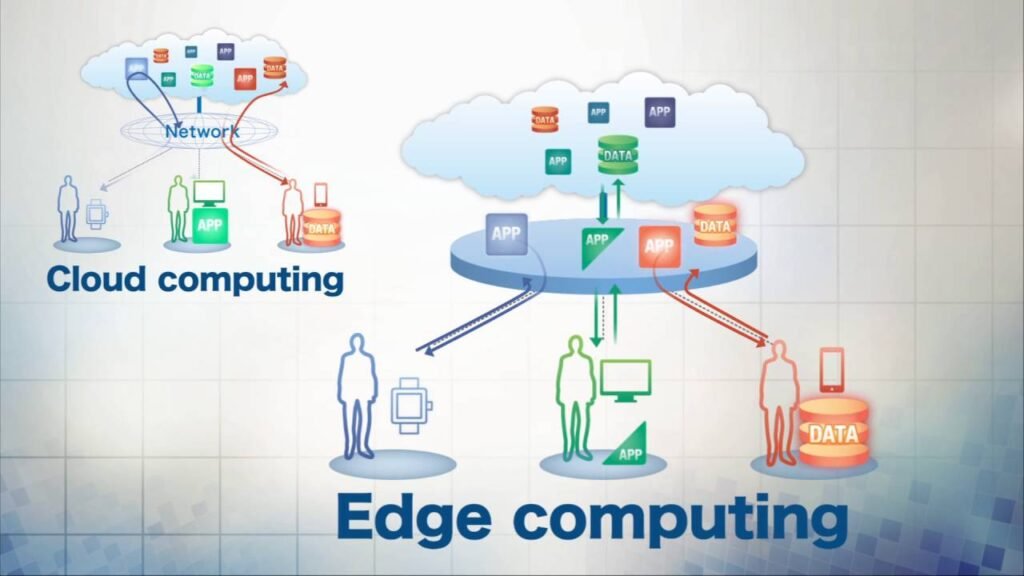
The primary purpose of edge computing is to enhance the performance of applications by moving data processing closer to the edge of the network. Instead of sending all data to the cloud for processing, edge computing enables data to be processed locally, allowing for quicker response times and reduced bandwidth usage. This geographic proximity to the data source is particularly beneficial for industries such as healthcare, autonomous vehicles, and manufacturing, where delays can have critical consequences. In addition, the advent of the Internet of Things (IoT) has accelerated the demand for solutions that can handle large volumes of data generated by connected devices.
As smart cities and connected applications gain traction, the importance of edge computing grows. The proliferation of IoT devices—such as sensors, cameras, and smart appliances—means that vast amounts of data must be processed swiftly and efficiently. Edge computing facilitates this by providing the necessary infrastructure to analyze and act upon that data nearer to its source. This shift not only optimizes operational efficiency but also enhances user experiences by minimizing lag time. Thus, as businesses embrace the digital transformation, exploring effective cloud hosting options for edge computing becomes pivotal in ensuring they meet the demands of their increasingly interconnected environments.
Key Features to Look for in Cloud Hosting for Edge Computing
When evaluating cloud hosting solutions for edge computing, several key features must be prioritized to ensure optimal performance and reliability. One of the most critical aspects is low latency. Edge computing relies on minimizing the time it takes for data to travel between devices and servers; therefore, cloud providers should offer geographically distributed data centers that are strategically placed to reduce the distance data must travel.
High availability is another essential feature. Businesses must ensure that their systems remain operational at all times. This requires cloud hosting services to provide redundancy, robust failover mechanisms, and reliable uptime guarantees. Therefore, when selecting a provider, reviewing their Service Level Agreements (SLAs) and performance history would be prudent.
Scalability is also a vital characteristic of cloud hosting solutions for edge computing. As businesses grow and their data needs evolve, the hosting service should enable easy scalability, allowing for the rapid deployment of additional resources. This ensures that the infrastructure can adapt quickly to fluctuating demands without compromising performance or incurring excessive costs.
Security features must not be overlooked as well. With increased data generation at the edge, the potential for vulnerabilities also rises. Thus, cloud hosting solutions should integrate comprehensive security measures, such as data encryption, DDoS protection, and regular security audits, to safeguard sensitive information. Furthermore, the use of Content Delivery Networks (CDNs) can greatly enhance data distribution and access speed while providing an additional layer of security.
Lastly, the integration of AI and machine learning capabilities is becoming increasingly valuable for optimizing edge computing environments. These technologies can analyze vast data sets in real-time, enabling businesses to make informed decisions and improve operational efficiencies. By considering these critical features, organizations can effectively identify suitable cloud hosting solutions to enhance their edge computing strategies.
Top Cloud Hosting Providers for Edge Computing
When considering cloud hosting solutions for edge computing, it is essential to choose providers that not only offer robust features but also specialize in the unique demands of edge environments. Several leading cloud hosting providers have emerged as frontrunners in this space, each delivering their own distinct advantages.
Amazon Web Services (AWS) remains a dominant player, particularly with its AWS Edge services that utilize the Global CloudFront network. This enables businesses to deploy applications closer to end-users, enhancing latency and processing speed. AWS offers a pay-as-you-go pricing model, allowing for scalable solutions suited to both small startups and large enterprises. Real-world testimonials highlight its effectiveness in content delivery and streaming solutions, where quick responsiveness is critical.
Google Cloud Platform (GCP) also shines in the edge computing sector with its Anthos platform, which allows for the management of applications across multiple environments seamlessly. GCP provides robust tools for edge deployments, ensuring low latency and high performance. Its flexible pricing has attracted a range of clients, and success stories include companies utilizing its machine learning capabilities at the edge for real-time data analysis.
Microsoft Azure is another notable mention, featuring Azure Stack Edge, which brings cloud capabilities directly to the edge. This offering supports IoT applications effectively, and its integration with Azure’s broader ecosystem makes it appealing for enterprises already invested in Microsoft technologies. Azure’s customer support is highly rated, providing assistance across various deployment scenarios.
Lastly, IBM Cloud with its Edge Application Manager has tailored solutions that focus on orchestration and security for edge deployments. Businesses have utilized IBM’s offerings in manufacturing and logistics to optimize operations and achieve greater efficiency. Their tiered pricing structures enable clients to select packages that align with their specific operational needs.
By evaluating these cloud hosting providers, businesses can find tailored solutions for their edge computing applications, ensuring enhanced performance and support for their operational needs.
Implementing Edge Computing: Best Practices
Implementing edge computing effectively requires a strategic approach, starting with the planning of an appropriate edge architecture. Organizations should assess their specific needs by evaluating the type of data that will be processed at the edge, the speed at which it needs to be analyzed, and the resources that will be required. This foundational step ensures that the chosen cloud hosting service can support edge workloads efficiently and meet the demands of real-time processing.
Data security and compliance are critical considerations in the deployment of edge computing solutions. An organization should implement robust security measures, such as data encryption and access controls, to protect sensitive information transmitted between edge devices and cloud services. Regular security audits and the integration of compliance frameworks can help mitigate risks associated with regulatory requirements, ensuring that data privacy standards are upheld.
Optimizing resource allocation is another best practice that contributes to the performance of edge computing. Organizations should leverage capabilities provided by their cloud hosting solutions, such as auto-scaling and load balancing, to allocate resources dynamically based on demand. This flexibility not only improves responsiveness but also helps in managing costs effectively by ensuring that resources are utilized efficiently.
Monitoring performance is essential for maintaining the effectiveness of edge computing solutions. Organizations should invest in monitoring tools that can track latency, bandwidth usage, and overall system performance across edge and central cloud environments. By establishing baseline metrics, organizations can quickly identify performance bottlenecks and make necessary adjustments to improve efficiency.
Integrating edge computing with existing systems can be challenging; however, employing APIs and standardized protocols will facilitate smoother interoperability. As businesses grow, scalability becomes paramount. Planning for future expansion during the initial stages of deployment allows organizations to accommodate increased data volume and processing demands, ensuring sustainable operations in the long run.