The Future of Hosting Services: Embracing Blockchain Integration
Understanding Blockchain Technology
Blockchain technology is fundamentally reshaping the way data is stored and managed across various industries. At its core, blockchain operates as a decentralized ledger, ensuring that no single entity holds control over the entire database. This decentralization is crucial, as it reduces the risks associated with central points of failure, making systems more resilient and secure.
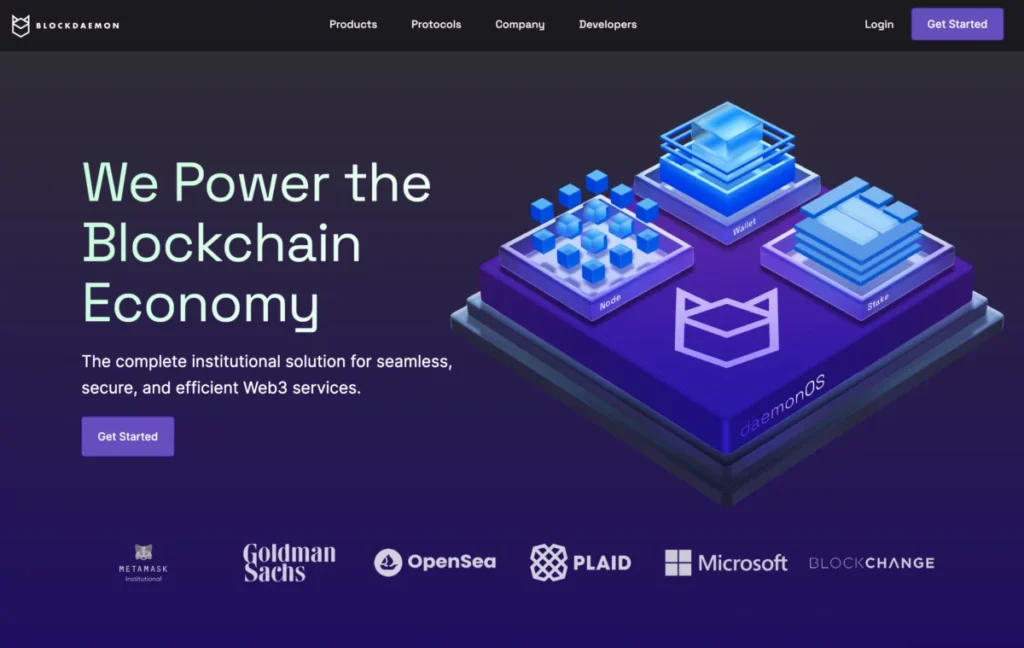
One of the defining characteristics of blockchain is its immutability. Once a transaction is recorded on a blockchain, altering that data becomes nearly impossible without the consensus of the network. This feature not only enhances data integrity but also builds trust among users, as they can be assured that their interactions are secure and transparent.
Blockchain operates through a network of nodes, each of which has a copy of the entire ledger. When a new transaction occurs, it is broadcasted to all nodes. Each node then verifies the transaction against pre-established consensus algorithms. Once validated, the transaction is added to a block and subsequently appended to the existing chain. This mechanism ensures that the data is consistently updated across the entire network, reinforcing the principle of transparency.
There are three principal types of blockchain: public, private, and consortium. Public blockchains, like Bitcoin, allow anyone to participate, making them accessible but often slower due to the extensive verification processes. Private blockchains are restricted, typically used by organizations that require more control over the participants and the data shared; they offer faster transaction speeds at the cost of some transparency. Consortium blockchains sit between the two, where a group of institutions share control, fostering collaboration while maintaining a degree of decentralization. Each type of blockchain has its distinct advantages and use cases, depending on the specific needs of businesses and organizations.
Benefits of Blockchain Integration in Hosting Services
The integration of blockchain technology into web hosting services presents numerous advantages that can significantly enhance operations and user experience. Firstly, one of the most noteworthy benefits is enhanced security. Blockchain’s decentralized nature makes it inherently more secure compared to traditional centralized hosting models. By distributing data across multiple nodes, the likelihood of data breaches is substantially reduced. Additionally, the use of cryptographic techniques protects sensitive information, ensuring that client data remains confidential and tamper-proof.
Another key advantage is improved uptime and reliability. Blockchain technology allows for the creation of decentralized applications (dApps) which can operate seamlessly without downtime. Unlike conventional hosting services that may face interruptions due to server failures or maintenance activities, blockchain integration ensures continuous availability through redundancy and distribution of resources. This leads to a more dependable hosting environment for websites and applications.
Increased transparency is also a significant benefit of blockchain in hosting services. Every transaction or change made on a blockchain is recorded in a public ledger, providing clients with real-time visibility into their data’s status and security. This transparency fosters trust between hosting providers and clients, as customers can monitor their resources more closely and track any irregularities or potential issues.
Furthermore, integrating blockchain can lead to reduced costs. By eliminating the need for intermediaries and streamlining processes, blockchain can minimize operational expenses for hosting providers. With lower costs, companies can pass savings onto their clients, making blockchain-enabled hosting a cost-effective alternative.
Real-world examples underscore these benefits. Companies like Bluzelle and DecentraWeb showcase the successful implementation of blockchain, providing hosting solutions that prioritize security, transparency, and cost-efficiency, ultimately leading to increased customer satisfaction and loyalty.
Challenges and Considerations
Integrating blockchain technology into hosting services presents a unique set of challenges and considerations that must be meticulously addressed. Primarily, the scalability of blockchain solutions remains a significant hurdle. Traditional hosting services can handle large volumes of transactions efficiently; however, blockchain’s decentralized nature can lead to slower processing times, especially when dealing with numerous transactions concurrently. This can pose performance issues, affecting user experience and operational efficiency. As such, developers are compelled to seek innovative methods to enhance blockchain scalability while maintaining its inherent security features.
Regulatory compliance represents another major challenge in the integration of blockchain within hosting services. Since blockchain technology operates across jurisdictions, varying legal frameworks complicate compliance efforts. Data protection regulations, such as the General Data Protection Regulation (GDPR), may clash with the immutable nature of blockchain, where once data is recorded it cannot be altered or deleted. Hosting providers must navigate these complexities to ensure that their use of blockchain technology adheres to all relevant legal requirements, which often necessitates substantial legal expertise and understanding of specific regulatory frameworks.
Moreover, the need for technical expertise cannot be overstated. Implementing blockchain solutions requires specialized knowledge, which may not be readily available in the current workforce. This skill gap can lead to increased costs as organizations may need to invest in training or hiring blockchain specialists. While the potential benefits of enhanced security, decentralization, and data integrity are compelling, organizations must weigh these advantages against the complexities and potential increased costs associated with adopting blockchain solutions. Achieving a balance between leveraging its benefits and addressing these challenges will be crucial for the evolution of hosting services in a blockchain-integrated landscape.
The Future Outlook: Trends and Innovations
The landscape of hosting services is poised for a significant transformation as blockchain technology gains traction across various sectors. One of the most notable trends is the emergence of decentralized hosting platforms that enable users to store and share data without reliance on traditional centralized servers. This shift not only enhances data security but also diminishes the risks of data breaches and service disruptions, alluding to a more resilient architecture.
As users become increasingly aware of their privacy rights and demand greater control over their data, hosting services that utilize blockchain integration will likely see a surge in popularity. These solutions often offer end-to-end encryption, consent-driven data sharing, and the ability to manage personal information transparently, aligning with modern privacy regulations such as GDPR. The decentralized nature of blockchain provides a trustworthy framework for users to interact, thereby establishing a paradigm where data ownership and privacy are paramount.
Moreover, the future of hosting services will be shaped by technological advancements in AI and IoT. These innovations can synergistically enhance blockchain efficiency, creating intelligent systems capable of optimizing server performance and resource allocation. For instance, AI can facilitate predictive analytics to ensure high availability and reliability of hosting environments, while IoT devices can contribute real-time data that solidifies the overall infrastructure coherence. The interconnectivity of these technologies promises to streamline operations, reduce costs, and enhance user experiences.
In summary, the future of hosting services is set to be influenced by the unrelenting evolution of blockchain technology along with the integration of AI and IoT. The growing demand for privacy, decentralization, and innovative solutions will drive these trends forward, ultimately reshaping the hosting industry to meet the expectations of a more discerning digital populace.