The Impact of 6G Technology on Connectivity
Understanding 6G Technology
6G technology represents the next frontier in mobile connectivity, promising to build upon the advancements initiated by its predecessor, 5G. While 5G has significantly enhanced mobile data speeds, reduced latency, and improved network reliability, 6G aims to revolutionize connectivity by delivering data rates exceeding 100 Gbps, minimal latency of less than one millisecond, and seamless integration of various communication modes including terrestrial and non-terrestrial networks.
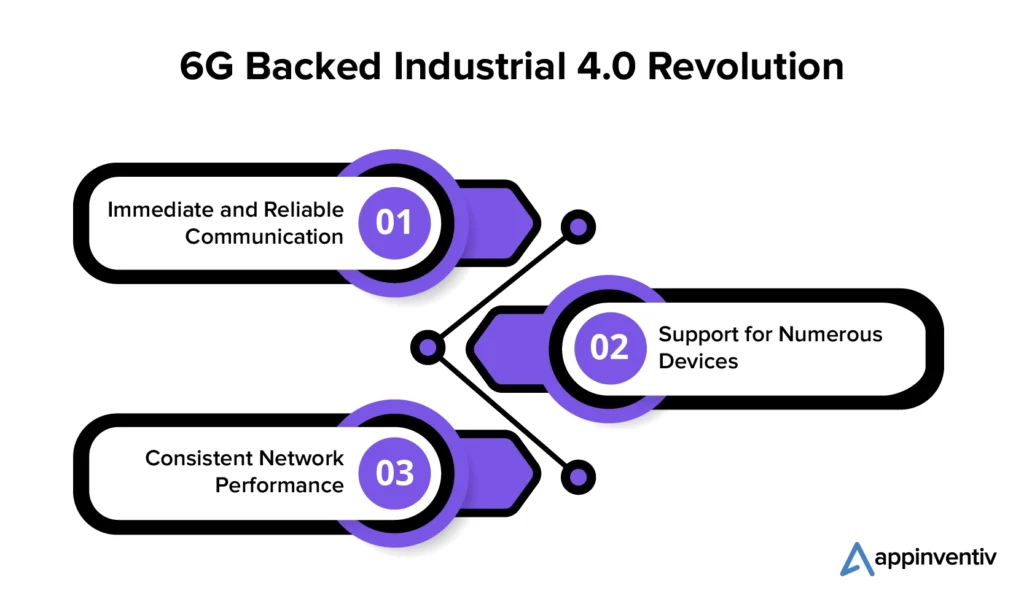
The foundation of 6G technology lies in several key features and advancements that characterize this generation of wireless communication. One of the primary enhancements is the utilization of advanced antenna systems, which enable higher frequency bands and improved signal processing. This will facilitate massive MIMO (Multiple Input, Multiple Output) systems, allowing devices to communicate more efficiently without overcrowding the network. Additionally, the integration of artificial intelligence (AI) into network management promises to optimize resource allocation and predictive maintenance, ensuring a stable and efficient user experience.
Moreover, 6G technology is expected to establish more efficient spectrum utilization strategies, employing techniques such as dynamic spectrum sharing. This approach leads to better management of the electromagnetic spectrum, crucial for accommodating the increasing number of connected devices in the Internet of Things (IoT) ecosystem. As we approach the anticipated rollout of 6G, which is projected for the 2030s, stakeholders are actively engaging in research, trials, and collaborations worldwide to lay the groundwork for this advanced technology. By considering factors such as standardization, policy implications, and interoperability, the global telecommunications landscape is preparing to embrace the future of connectivity as envisioned by 6G technology.
Enhancing Connectivity in Everyday Life
As society increasingly relies on digital communication and real-time data exchanges, the anticipated roll-out of 6G technology promises to revolutionize connectivity in everyday life across various sectors. Central to this transformation is the significantly enhanced speed, reliability, and capacity of communications. With projected data transfer rates exceeding 100 Gbps, 6G technology will become a linchpin in areas such as healthcare, education, transportation, and entertainment.
In the healthcare sector, 6G will facilitate advancements in telemedicine, enabling remote diagnostics and real-time monitoring of patients through wearable devices. These ultra-reliable connections will not only streamline communication between healthcare providers and patients but also ensure that critical medical data is exchanged with minimal latency. This will lead to quicker responses in healthcare emergencies, improving patient outcomes.
In education, the establishment of smart classrooms powered by 6G will create immersive learning experiences. Virtual and augmented reality applications will become more prevalent, allowing students to engage with interactive content regardless of their geographical location. With stable and fast connections, educators will be able to host live classes that include thousands of participants worldwide, thus democratizing access to quality education.
Transportation is another sector poised for remarkable evolution through 6G technology. Autonomous vehicles will rely on ultra-reliable, low-latency communications for real-time data sharing that enhances safety and efficiency on the roads. This technological leap can lead to smoother traffic management and a reduction in accidents, thereby improving user experiences and accessibility.
Moreover, entertainment will experience shifts as 6G supports immersive virtual environments, allowing users to enjoy high-definition streaming, gaming, and virtual reality without interruptions. As users seek more engaging and interactive content, these advancements will cater to their needs for an enhanced digital experience, transforming how they consume media.
Overall, the integration of 6G technology into various sectors signifies a new era of connectivity, promising improvements in user experience and accessibility that were once thought to be futuristic aspirations.
The Role of 6G in IoT and Smart Cities
The introduction of 6G technology heralds a significant advancement in connectivity, particularly in its support for the Internet of Things (IoT) and the evolution of smart cities. As urban centers strive to become more efficient and responsive to citizen needs, the enhanced capabilities of 6G will play a crucial role. With improved data transmission speeds and remarkably lower latency compared to its predecessors, 6G technology facilitates seamless communication between a multitude of interconnected devices. This ability allows for real-time data exchange, enabling smarter decisions in the management and optimization of urban resources.
In smart cities, the integration of IoT devices is pivotal for numerous applications such as energy management, waste collection, and water supply monitoring. Through 6G’s robust connectivity, city planners and administrators can implement real-time monitoring systems that track resource usage and optimize operations. For example, deploying smart meters linked via 6G networks ensures that energy consumption can be monitored instantly, facilitating energy-efficient systems. This not only contributes to sustainable growth but also significantly reduces operational costs.
Traffic management is another critical area that stands to benefit from the advancements brought by 6G technology. The ability to connect vehicles, traffic lights, and urban infrastructure provides a holistic approach to managing vehicular flow. Smart transportation systems can analyze traffic patterns in real-time, adjusting signals and routes to minimize congestion and improve overall safety. Moreover, these systems contribute to public safety by enabling faster emergency response times, as first responders can receive real-time information on incidents from connected devices.
Overall, 6G technology will be instrumental in creating integrated urban environments. By enhancing communication capabilities, it will support the deployment and functionality of IoT devices in smart cities, leading to more sustainable, efficient, and safer urban living experiences.
Challenges and Considerations for 6G Deployment
The deployment of 6G technology presents various challenges and considerations that must be addressed to ensure its successful integration into existing frameworks. One of the primary challenges stems from the need for significant infrastructure development. As 6G is anticipated to operate within higher frequency bands, the demand for new base stations and satellite technologies will be imperative. This necessitates considerable investment and coordination among stakeholders to establish a robust infrastructure capable of supporting the unprecedented capabilities 6G offers.
Regulatory issues also pose significant barriers to the deployment of 6G networks. Governments must develop comprehensive policies that facilitate the allocation of spectrum, while ensuring compliance with international standards. Harmonizing regulations across different countries is essential to enable operators to offer seamless connectivity that transcends borders. The involvement of regulatory bodies, industry experts, and international organizations will be crucial in navigating the complexities of 6G governance effectively.
Another vital aspect to consider is cybersecurity. As connectivity increases and more devices become integrated into the digital ecosystem, the potential for cyber threats escalates. Consequently, security protocols must evolve to safeguard user data and infrastructure against increasingly sophisticated attacks. It is essential to ensure that privacy regulations are in place to protect individuals while fostering innovation within the digital landscape.
Moreover, the digital divide remains a critical issue that must be addressed during the rollout of 6G technology. Ensuring equitable access to next-generation connectivity is paramount to avoid exacerbating existing disparities. Collaborative efforts among governments, private enterprises, and academic institutions should focus on developing inclusive approaches that prioritize underserved communities. This multifaceted strategy will help maximize the benefits of 6G technology and ensure its universal and equitable distribution.