Unlocking the Future: Dedicated Hosting for IoT Applications
Understanding Dedicated Hosting
Dedicated hosting refers to a type of web hosting service where an entire server is allocated exclusively to a single client or application. This stands in contrast to shared hosting, where multiple users share server resources, and cloud hosting, which distributes resources across a network of servers. In dedicated hosting, the user retains complete control over the server’s configuration, providing the flexibility to tailor the environment to specific needs.
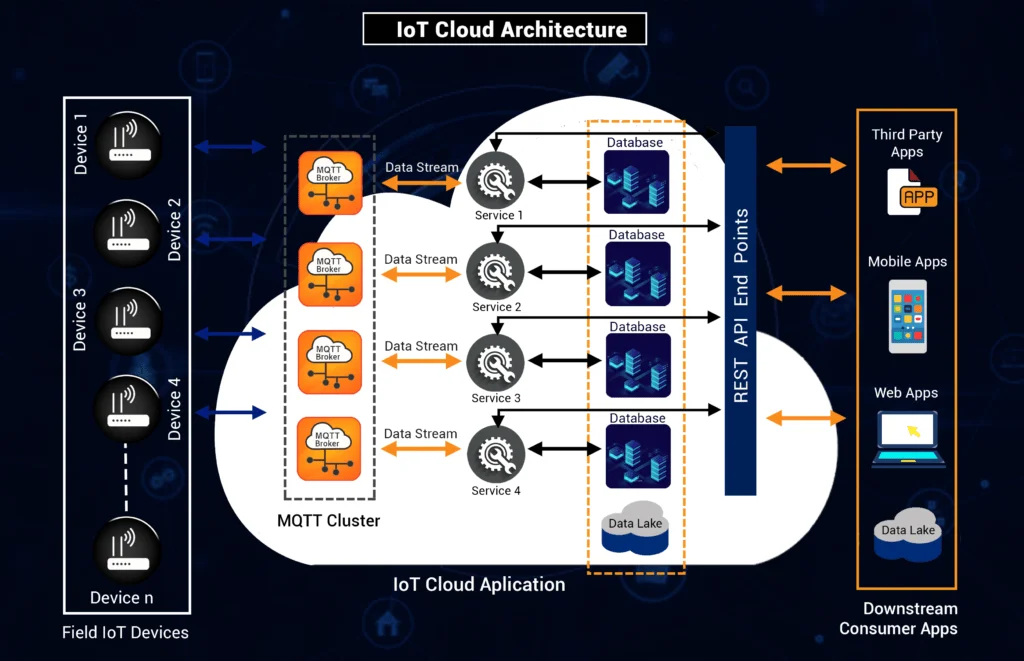
One of the most significant advantages of using dedicated servers is performance. Since the server resources are not shared, this hosting option ensures that the applications running on the server benefit from maximum speeds and minimal latency, which is crucial for IoT applications that require real-time data processing. Additionally, the high-performance capabilities enable better handling of heavy traffic loads, a common scenario for IoT solutions that may connect thousands of devices simultaneously.
Security is another critical factor where dedicated hosting excels. With dedicated servers, the risk of security breaches is substantially reduced, as there are no other users on the same server sharing vulnerabilities. This level of security is indispensable for IoT applications that often process sensitive data, from personal information to financial transactions. Furthermore, dedicated hosting allows for the implementation of customized security measures tailored to specific application needs, ensuring that every potential threat is addressed effectively.
Resource allocation represents another benefit inherent to dedicated hosting. Users have complete access to the server’s CPU, RAM, and storage, enabling them to optimize these resources according to their application’s demands. This level of control is especially beneficial for IoT applications that require consistent and reliable performance as demand fluctuates. Overall, the choice of dedicated hosting for IoT applications is driven by these numerous advantages, making it a critical choice for those seeking to maximize efficiency, security, and performance.
The Unique Needs of IoT Applications
Internet of Things (IoT) applications represent a rapidly evolving domain characterized by specific requirements that differ from traditional web applications. Key among these needs are low latency, high uptime, and the capability to manage vast volumes of data generated by interconnected devices. Low latency is crucial because it directly affects the responsiveness of applications, particularly in scenarios involving real-time data processing such as smart city traffic management or industrial automation. In these contexts, any delay can have significant consequences, underlining the necessity for dedicated hosting solutions that deliver consistent performance.
High uptime is another essential feature for IoT applications. Devices often rely on continuous connectivity to function effectively; therefore, any downtimes can disrupt operations and diminish trust in the technology. Dedicated hosting provides a reliable environment, ensuring that IoT applications remain operational even during periods of high demand or unexpected network failures. This reliability is particularly vital in sectors like healthcare, where IoT devices monitor patient vitals and require constant data streaming to healthcare providers.
Moreover, the exponential growth of data generated by IoT devices necessitates hosting environments that can manage and analyze large data sets efficiently. Dedicated hosting allows for robust data storage and processing capabilities, making it well-suited for industrial IoT applications that generate real-time analytics. Additionally, one of the core advantages of dedicated hosting is its inherent scalability and flexibility. As IoT ecosystems evolve, the need for increased resources may arise. Dedicated servers can be rapidly adjusted to accommodate higher data throughput and additional devices without a significant increase in response times or latency.
In essence, the unique characteristics of IoT applications dictate specific requirements from their hosting solutions. Dedicated hosting emerges as a superior choice, providing the necessary performance, reliability, and scalability to support the transformative potential of IoT technologies.
Choosing the Right Dedicated Hosting Provider
When selecting a dedicated hosting provider for Internet of Things (IoT) applications, several critical factors must be considered to ensure optimal performance and reliability. The first aspect is network reliability. An IoT application often involves numerous interconnected devices that rely on stable and continuous data transmission. Therefore, a hosting provider with robust uptime guarantees and a strong track record for network stability is essential. Downtime can lead to data loss and diminished user trust, which underscores the importance of choosing a provider with proven resilience.
Equally important is the availability of customer support. Given the technical complexity of IoT applications, having access to knowledgeable support staff can make a significant difference. Look for a provider that offers 24/7 support through multiple channels, including phone, email, and live chat. Responsive customer service can aid in troubleshooting issues quickly, minimizing disruptions to your IoT services.
Customization options are another vital consideration. Your IoT application may require specific hardware configurations, storage capabilities, or monitoring tools, which necessitates a tailored approach. Opting for a dedicated hosting plan that allows for these customization options can lead to a more efficient and effective deployment of your IoT infrastructure.
Pricing models also play a crucial role in the decision-making process. It is important to understand the pricing structure and determine whether it aligns with your budget while also providing the necessary features. Some providers may offer flexible pay-as-you-go models, which could be beneficial for growing IoT solutions that require scaling up as usage increases.
Lastly, evaluate the security features offered by the provider. Security is paramount in IoT environments due to the sensitive data handled by devices. A reliable hosting provider should implement strong security measures such as firewalls, DDoS protection, and data encryption to safeguard against potential vulnerabilities.
Incorporating testimonials or case studies from businesses that have successfully deployed IoT solutions using dedicated hosting services can provide further insight into the tangible benefits experienced. This information can aid in making a well-informed decision regarding the right dedicated hosting provider for your unique IoT application needs.
Future Trends in IoT and Dedicated Hosting
The landscape of Internet of Things (IoT) applications is rapidly evolving, and with it, the infrastructure that supports these technologies, notably dedicated hosting. One significant factor influencing this evolution is the rollout of 5G networks, which promises to greatly enhance the performance of IoT devices. With higher data transfer speeds and lower latency, 5G can support a vast number of devices simultaneously. This necessitates a shift in hosting services, as organizations will require dedicated servers that can efficiently manage the increased data load and transaction speed associated with 5G-enabled applications.
Another growing trend is the integration of edge computing with dedicated hosting. Edge computing allows data to be processed closer to its source, minimizing the need for transmission to centralized data centers. This proximity can significantly reduce latency and bandwidth use, making it an ideal solution for real-time IoT applications, such as smart manufacturing and autonomous vehicles. As more devices connect and generate significant volumes of data, dedicated hosting can evolve to support distributed architectures, prioritizing localized data processing.
In addition to these advances, the incorporation of artificial intelligence (AI) and machine learning into dedicated hosting solutions is expected to transform operational efficiencies. AI algorithms can analyze data in real-time, allowing for predictive maintenance, better resource allocation, and enhanced security measures. This integration can provide businesses with actionable insights, further optimizing the performance of their IoT applications. The predicted market growth in IoT spending suggests that dedicated hosting services will increasingly adapt to cater to more complex and data-rich environments.
Ultimately, the future of dedicated hosting in the context of IoT will be characterized by a robust infrastructure capable of meeting the demands imposed by emerging technologies, ensuring seamless connectivity and efficient data management.