Where to Find Local Electric Vehicle Charging Stations in Your Neighborhood
Understanding Electric Vehicle Charging Types
Electric vehicle (EV) charging is an essential aspect of EV ownership, and understanding the various charging types can significantly influence the convenience and efficiency of powering your vehicle. There are primarily three types of charging: Level 1, Level 2, and DC Fast Charging. Each type serves different purposes and is suited for different scenarios, making it vital to comprehend their distinctions when searching for local charging stations.
Level 1 charging utilizes a standard 120-volt outlet, typically found in residential settings. This method is the slowest of the three, providing approximately 4 to 5 miles of range per hour of charging. While this option is generally suitable for overnight charging at home, it may not meet the needs of drivers who rely on frequent top-ups or who travel considerable distances during the day.
In contrast, Level 2 charging operates at 240 volts and is commonly used in public charging stations, workplaces, and some residential setups. This method significantly reduces charging time, typically delivering about 25 miles of range per hour, making it popular among EV owners. Many local destinations, such as shopping centers, hotels, and community parking facilities, now offer Level 2 charging, enhancing accessibility for users.
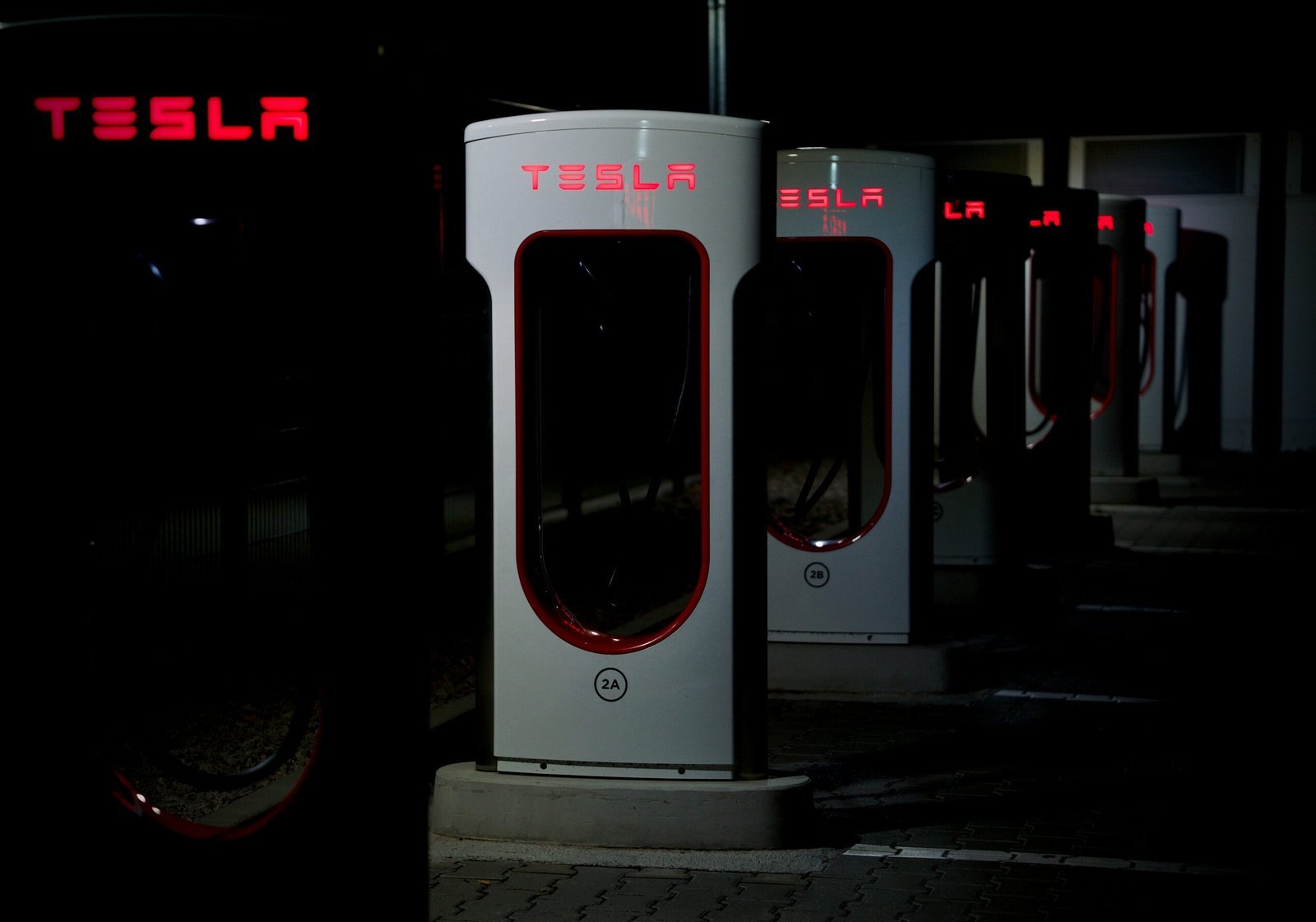
Lastly, DC Fast Charging is geared towards providing rapid energy supply to electric vehicles, enabling up to 80% charge in about 30 minutes. This option is particularly advantageous for long road trips, as it allows drivers to quickly recharge their vehicles during brief stops. DC Fast Chargers are often located along highways and in urban charging hubs, ensuring EV drivers can travel longer distances without significant downtime.
Overall, understanding these charging types will empower EV owners to make informed decisions when looking for local electric vehicle charging stations. By knowing the charging speeds, suitability, and common locations for each type, drivers can optimize their charging experience and enhance the practicality of owning an electric vehicle.
Online Resources and Apps for Locating Charging Stations
In recent years, the rise of electric vehicle (EV) usage has necessitated the development of digital platforms that assist owners in finding local charging stations. Utilizing the internet and mobile apps has become a vital component for EV owners seeking accessible charging options in their neighborhoods. Several notable tools stand out in this niche, allowing users to maximize their charging experience.
One of the premier resources available is PlugShare, a widely recognized app among EV owners. It offers a comprehensive map displaying charging station locations, user reviews, and real-time status updates on station availability. Users can search by filters such as charger type and distance, facilitating an efficient search process tailored to individual preferences. Furthermore, the social aspect of PlugShare allows users to contribute by adding new stations or providing insights regarding their experiences.
ChargePoint is another highly-rated application that enables users to navigate the charging landscape effortlessly. Boasting an extensive network of charging stations, it provides a user-friendly interface featuring current availability, charging speeds, and reservation options where applicable. By signing up for a ChargePoint account, users gain access to additional benefits like usage statistics and mobile alerts when their vehicle is fully charged.
Google Maps, while not specifically designed for EV charging, incorporates numerous charging stations within its conventional navigation platform. This integration allows users to locate charging stations alongside other amenities in their vicinity. By simply entering “EV charging stations” into the search bar, users can view options, obtain directions, and even read reviews from fellow EV drivers for enhanced decision-making.
These digital tools collectively contribute to a more seamless EV ownership experience, empowering users with the necessary information to locate nearby electric vehicle charging stations efficiently. Leveraging such resources not only simplifies the journey of finding a charging point but also promotes confidence in transitioning to electric transportation.
Community Initiatives and Local Government Resources
As the adoption of electric vehicles (EVs) continues to rise, local governments and community organizations play a pivotal role in expanding the infrastructure necessary to support them. This includes the development of charging stations, which are vital for ensuring that EV users can operate their vehicles conveniently. Many local governments have initiated programs aimed at enhancing the availability of charging points, often collaborating with private entities to maximize resources and reach.
One common approach taken by municipalities is to establish incentives for businesses and property owners to install EV charging stations. These incentives can include tax credits, grants, or technical assistance, which encourage the private sector to invest in charging infrastructure. Furthermore, some cities have designated areas for public parking that include charging capabilities, making it easier for residents and visitors alike to access EV charging stations.
In addition to incentives, local governments often launch initiatives that focus on promoting sustainable transportation. These initiatives can include educational campaigns that spotlight the advantages of electric vehicles, as well as partnerships with community organizations that seek to improve public awareness of EV charging options. Engaging with local authorities can prove beneficial for EV owners seeking more information about available resources.
Residents interested in finding local charging stations or participating in community programs can reach out to their city or county’s transportation department. Many municipalities have developed official mapping tools that display all current and planned EV charging locations. These online resources can be invaluable for navigating the growing network of charging stations. Participating in local forums or city council meetings can also provide insights into ongoing initiatives and future plans regarding EV infrastructure.
Tips for Planning Your Charging Stops
Effective planning of charging stops is essential for a seamless electric vehicle (EV) travel experience. By considering a few key factors, you can ensure that your journey is both efficient and enjoyable. One of the primary considerations is the distance of your trip and the range of your vehicle. Knowing your EV’s range allows you to effectively map out charging station locations along your route. This proactive approach minimizes the risk of running out of battery between stops.
In addition to distance and range, timing is equally important. Charging stations can have varying peak usage times based on location and day of the week. To avoid long wait times, check online or through dedicated apps for real-time availability of charging stations. Planning your travel schedule around these peak times can greatly enhance your charging experience, allowing you to spend less time waiting and more time enjoying your journey.
Utilizing multi-point charging locations is another strategy that can significantly aid in your planning. These areas often host several charging stations, giving you options should one station be occupied or malfunctioning. Furthermore, these locations sometimes feature amenities such as food outlets and rest areas, which provide an opportunity to relax and recharge your personal energy while waiting for your EV. Incorporating these facilities into your travel plan can improve the overall efficiency of your trip.
When mapping out your charging stops, always consider not just the technical aspects but also comfort. Exploring the amenities available at charging stations ensures that you can eat, rest, and refresh during longer journeys. Ultimately, thoughtful planning of charging stops can lead to a more pleasant and productive electric vehicle travel experience.